Best Persian Cat Food: A Comprehensive Guide
Persian cats, with their luxurious coats and gentle personalities, require a specialized diet to maintain their health and beauty. Choosing the right Persian cat food can seem daunting, but understanding their specific nutritional needs is the first step. This comprehensive guide will explore the essential factors to consider when selecting the best food for your feline friend, including ingredients, nutritional values, and popular brands.

Understanding Persian Cat Nutritional Needs
Persian cats, like all cats, are obligate carnivores, meaning their bodies are designed to thrive on a meat-based diet. However, their long, flowing hair can present unique dietary challenges. They are prone to hairballs, so foods containing ingredients that promote healthy digestion are crucial. Additionally, Persian cats can be prone to certain health issues, so selecting a food formulated to address these concerns is essential. Look for foods that support healthy skin and coat, as well as strong bones and joints.
Key Nutritional Components
- High-Quality Protein: The foundation of a healthy Persian cat diet is high-quality animal protein, such as chicken, turkey, or fish. Avoid foods with low-quality protein sources or fillers.
- Healthy Fats: Essential fatty acids, like omega-3 and omega-6, are vital for healthy skin and a shiny coat. Look for sources like fish oil or flaxseed oil.
- Fiber: Fiber aids in digestion and helps prevent hairballs. Look for ingredients like beet pulp or psyllium husk.
- Taurine: An essential amino acid crucial for heart health and vision. Ensure the food contains sufficient taurine.
- Vitamins and Minerals: A balanced blend of vitamins and minerals is essential for overall health and well-being.

Choosing the Right Food Type
Persian cat food comes in various forms, each with its advantages and disadvantages:
- Dry Kibble: Convenient, cost-effective, and helps with dental health. Look for kibble that is small enough for your Persian to easily chew.
- Wet Food: Highly palatable and contains higher moisture content, which can be beneficial for hydration. It's often a good option for picky eaters.
- Raw Food: A growing trend, raw food diets require careful planning and sourcing to ensure proper nutrition and safety.
Popular Persian Cat Food Brands
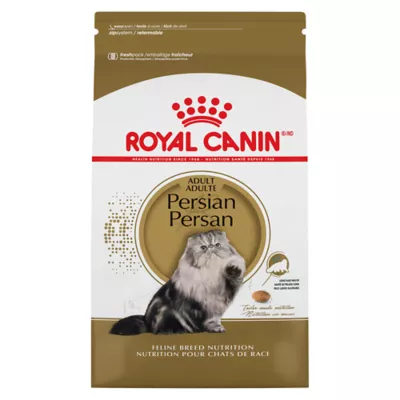
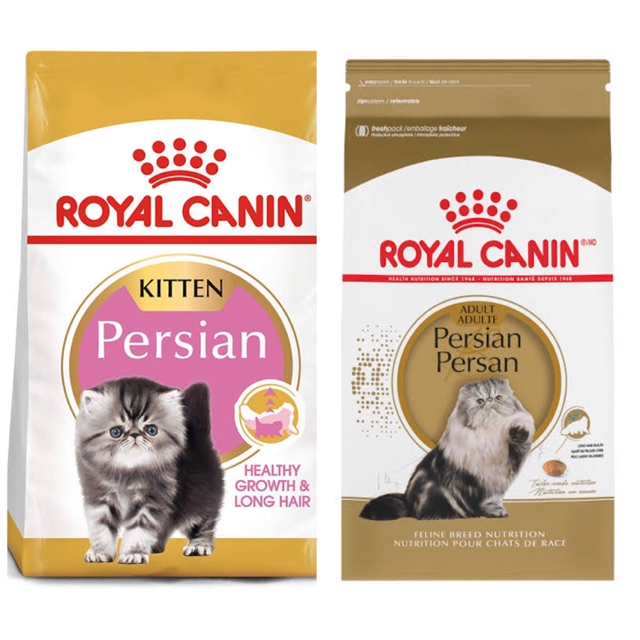
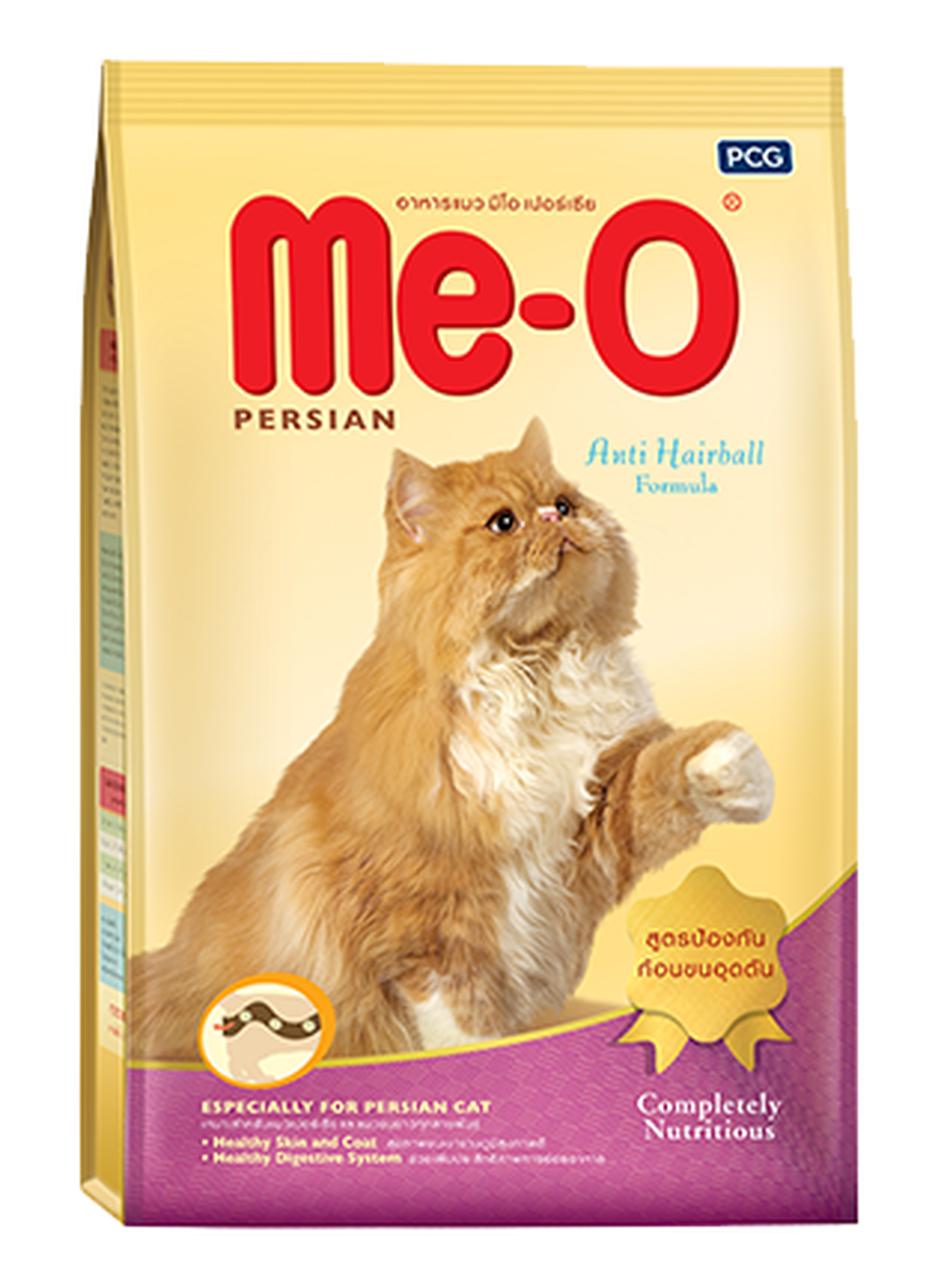
Numerous reputable brands offer high-quality Persian cat food. Researching reviews and comparing ingredients is essential to find the best option for your cat. Some popular choices include:

Remember to always consult your veterinarian before making significant changes to your Persian cat's diet.

Addressing Specific Concerns
Certain health issues are more prevalent in Persian cats, and selecting a food that addresses these concerns can be beneficial.
- Hairballs: Foods with added fiber and ingredients that promote healthy digestion can help reduce hairball formation.
- Allergies: If your cat has allergies, consider hypoallergenic options made with limited ingredients.
- Weight Management: If your Persian is overweight, choose a food specifically formulated for weight management.
Frequently Asked Questions (FAQs)
Many cat owners have questions about feeding their Persian cats. Here are some frequently asked questions:
- How much should I feed my Persian cat? Follow the feeding guidelines on the food packaging, adjusting according to your cat's age, activity level, and body condition.
- Can I switch my cat's food suddenly? It's best to gradually transition to a new food over 7-10 days to avoid digestive upset.
- What are the signs of a poor diet? Look for dull coat, weight loss or gain, vomiting, diarrhea, or lethargy.

Summary
Choosing the right food for your Persian cat is crucial for its health and happiness. Remember to always consult your veterinarian, consider your cat's age and activity level, and select a food that meets its specific nutritional needs.
Summary of Key Points:
- Persian cats require a diet high in animal protein.
- Essential fatty acids are vital for a healthy coat.
- Fiber helps prevent hairballs.
- Consider your cat's individual needs and health concerns.
- Gradually transition to new foods to avoid digestive upset.
By carefully considering these factors and selecting a high-quality Persian cat food, you can help ensure your beloved feline companion lives a long, healthy, and happy life. For more information on cat health, you can visit our cats page.


Comments
Post a Comment