Orange Cat Favorite Food: A Comprehensive Guide
Orange cats, with their vibrant coats and often playful personalities, capture the hearts of many. Understanding their dietary needs and preferences is crucial for ensuring their health and happiness. This guide delves into the world of orange cat favorite foods, exploring various options and factors to consider when choosing the perfect meal for your feline friend. 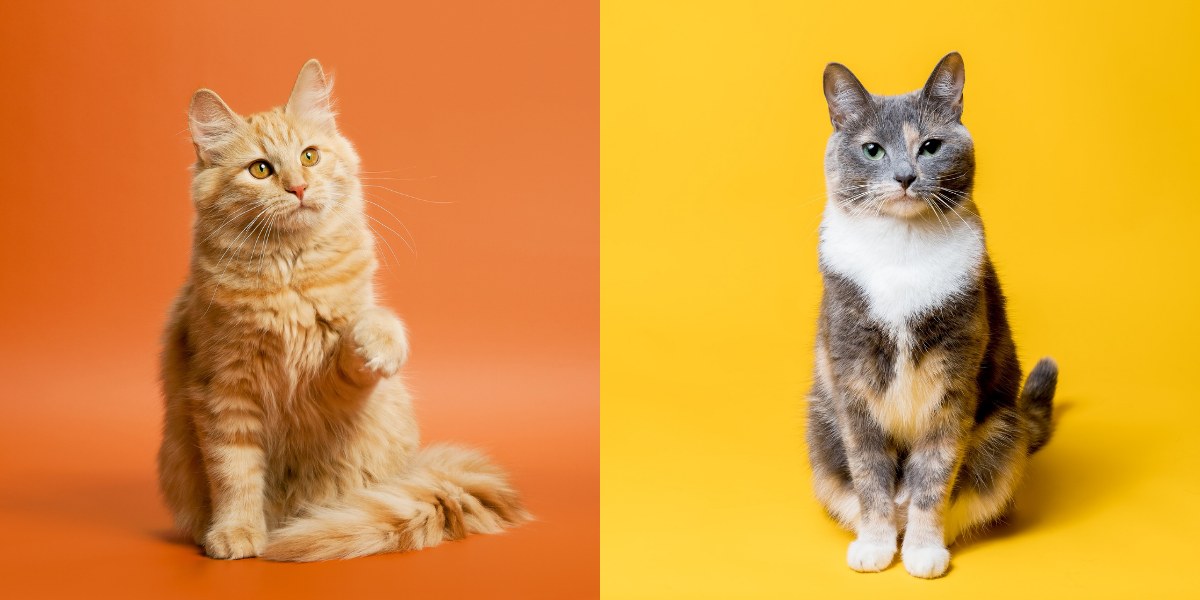
Understanding Your Orange Cat's Unique Needs
While all cats share some basic dietary requirements, individual preferences can vary greatly. Even within the "orange cat" category, you'll find diverse tastes. Some orange tabbies might be finicky eaters, while others devour anything placed in front of them. 
Factors like age, activity level, and overall health will significantly influence your cat's food preferences. Kittens require a diet rich in protein for growth, while senior cats may benefit from food formulated for their specific needs. A highly active cat will need more calories than a less active one. Underlying health conditions can also necessitate specific dietary changes.
Popular Food Choices for Orange Cats
Many orange cats seem to have a particular fondness for certain types of food. While individual preferences always come first, some common favorites include:
- Wet food: Many cats, regardless of color, appreciate the moisture and texture of wet food. This is especially true for cats who are less inclined to drink sufficient water.

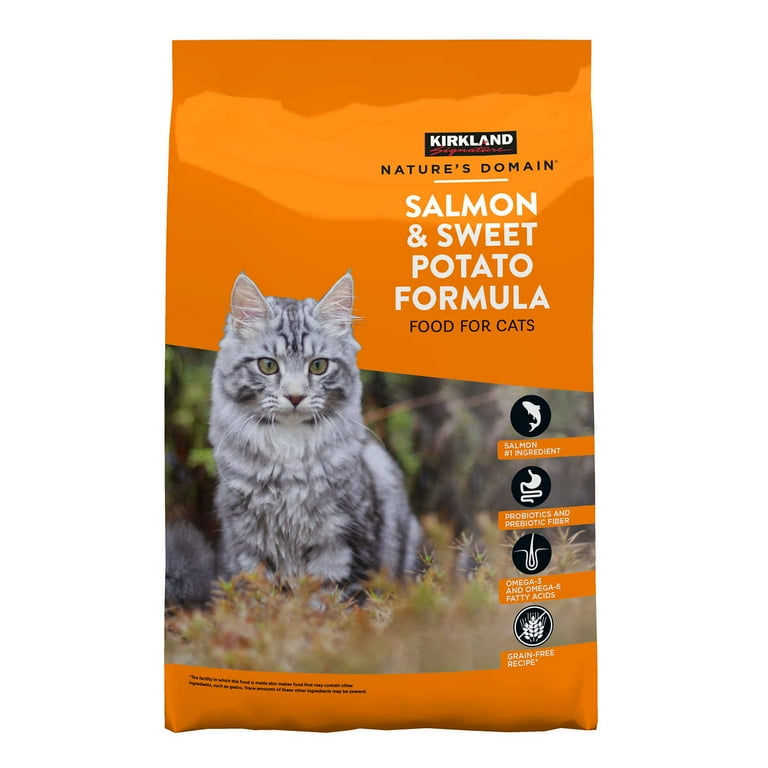
- Dry kibble: Dry kibble offers convenience and can help maintain dental hygiene. Look for high-quality kibble with a balanced nutritional profile.
- Tuna (in moderation): While tuna is a popular choice, it shouldn't make up a significant portion of your cat's diet. It lacks essential nutrients and can lead to health problems if overfed.
- Chicken: Many cats love chicken, whether it's in wet food, dry kibble, or as a tasty treat.


Commercial vs. Homemade Food
The choice between commercial cat food and homemade diets is a personal one. Commercial foods offer convenience and a balanced nutritional profile, but some owners prefer to prepare homemade meals for their cats. If you choose to make your own cat food, consult with a veterinarian to ensure you're providing a complete and balanced diet.
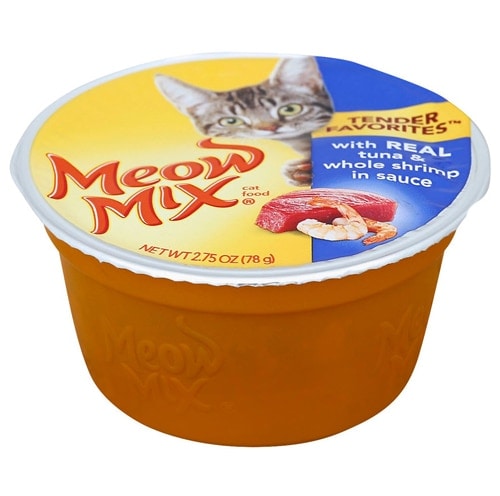
Remember to always check the ingredients list and ensure the food meets your cat's nutritional needs. Avoid foods containing artificial colors, flavors, and preservatives.

Introducing New Foods
Introduce new foods gradually to avoid digestive upset. Start by mixing a small amount of the new food with your cat's current food and gradually increase the proportion over several days. Monitor your cat's bowel movements and overall health to ensure the new food is well-tolerated.
Addressing Picky Eating Habits
Some orange cats can be incredibly picky eaters. If your cat refuses to eat, don't despair! There are several strategies you can try:
- Try different brands and flavors of food.
- Offer small portions frequently throughout the day.
- Warm the food slightly (ensure it's not hot).
- Try different food textures (wet, dry, pâté).
- Consult your veterinarian to rule out any underlying medical conditions.

Summary
Key Considerations for Your Orange Cat's Diet
- Age and activity level significantly impact food choices.
- High-quality, balanced nutrition is essential for overall health.
- Introduce new foods gradually to avoid digestive upset.
- Consult a veterinarian for guidance on dietary needs and addressing picky eating.
- Explore various commercial and homemade options to find your cat's preferences. Learn more about cat food
Providing your orange cat with a nutritious and enjoyable diet is essential for their well-being. By understanding their unique preferences and nutritional needs, you can ensure they live a long and healthy life, filled with purrs and playful antics. Remember to always consult your veterinarian for personalized advice on your cat's dietary needs, and don't hesitate to find a vet if you have any concerns.


Comments
Post a Comment