Persian Cat Best Care Methods: A Comprehensive Guide
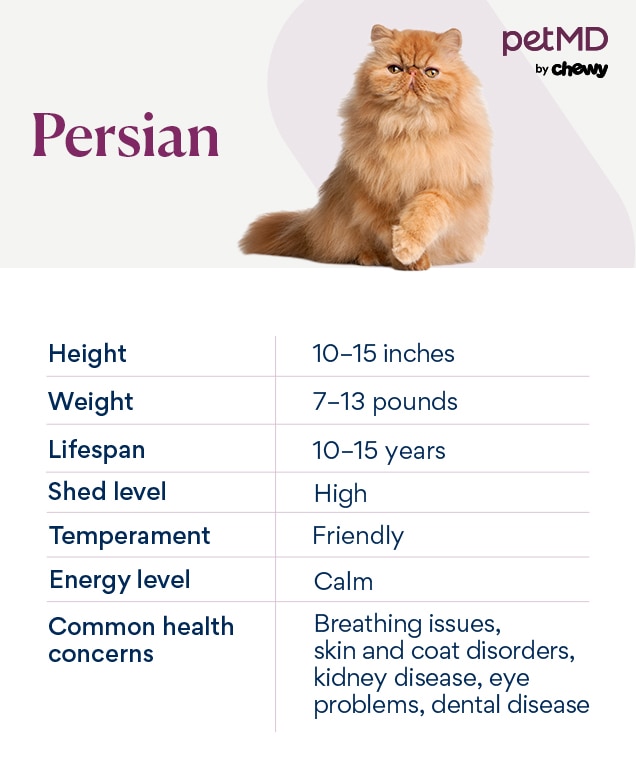
The Persian cat, with its luxurious long coat and captivating eyes, is a beloved breed. However, their stunning appearance comes with specific grooming and care requirements. Providing optimal care for your Persian ensures a happy, healthy, and long life for your feline companion. This guide delves into the essential aspects of Persian cat care, helping you become the best possible caregiver.
Grooming Your Persian Cat: The Key to a Healthy Coat
The most demanding aspect of Persian cat care is undoubtedly grooming. Their long, dense coat is prone to matting and tangles if not properly maintained. Daily brushing is essential to prevent mats, remove dead hair, and distribute natural oils, keeping their coat shiny and healthy. Use a high-quality slicker brush and a wide-toothed comb to reach all areas, paying special attention to the areas around the ears, tail, and behind the legs. Cats with longer hair may benefit from professional grooming every few weeks.
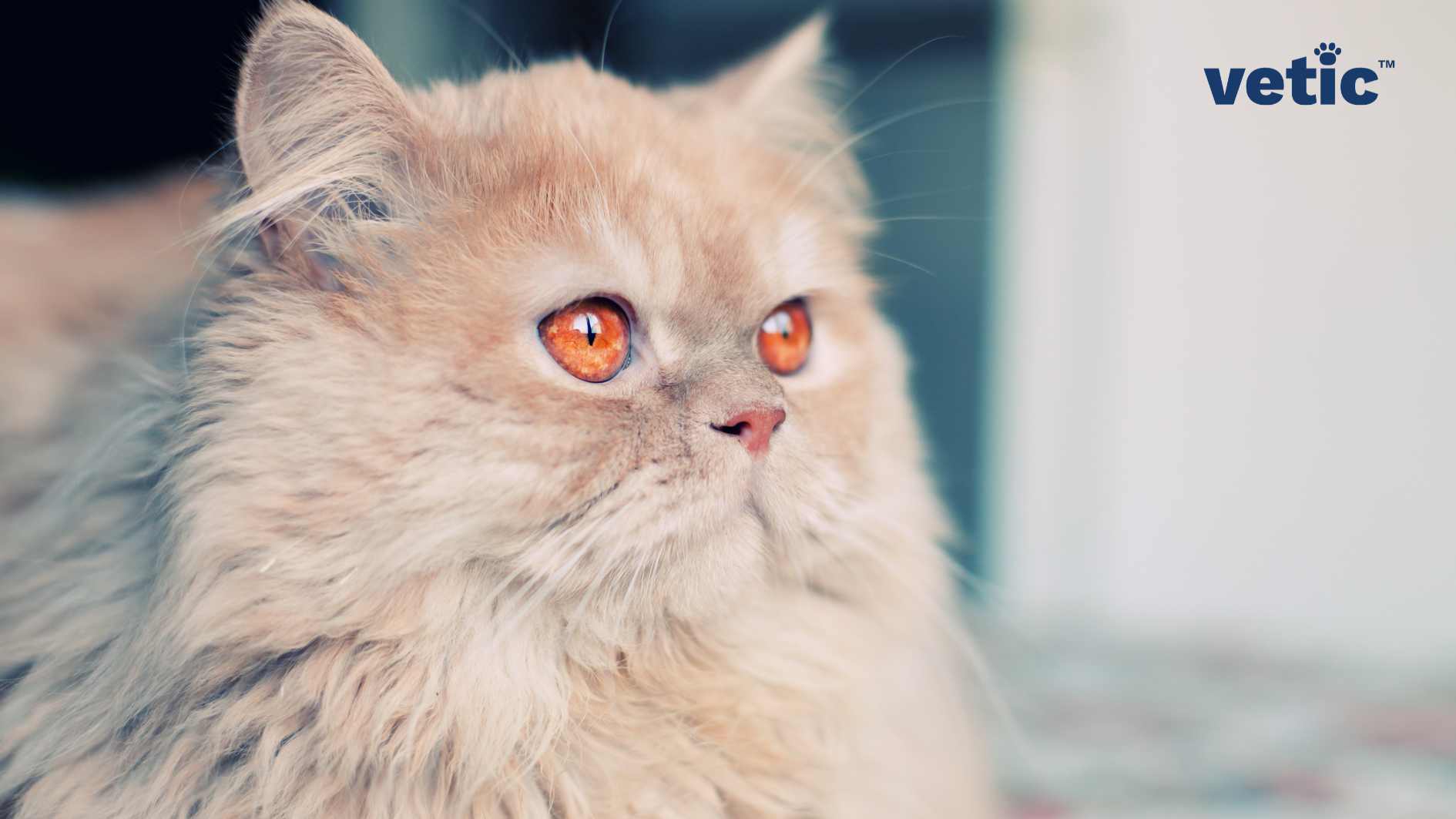
Regular bathing is also necessary, typically every 4-6 weeks, depending on the cat's lifestyle and coat condition. Use a cat-specific shampoo to avoid skin irritation. Always rinse thoroughly to prevent residue buildup. After bathing, carefully dry your Persian's coat completely to prevent chills.
Nutrition and Diet for a Healthy Persian
Feeding your Persian a high-quality, balanced diet is crucial for their overall health and well-being. Choose a cat food formulated for adult cats, considering factors like age, activity level, and any specific dietary needs. Always provide fresh, clean water. Avoid table scraps, as many human foods are toxic to cats. Consult your veterinarian for dietary advice, especially if your cat has any health concerns. High-quality protein is vital for a shiny coat and strong muscles.

Maintaining Your Persian's Health: Regular Veterinary Care
Regular veterinary checkups are paramount for preventing and addressing health issues early. Persian cats are prone to certain health problems, such as polycystic kidney disease (PKD), hypertrophic cardiomyopathy (HCM), and progressive retinal atrophy (PRA). Early detection through regular checkups can greatly improve the outcome. Vaccinations and parasite prevention are also essential components of preventative care.

Dental Care and Eye Care for Your Persian
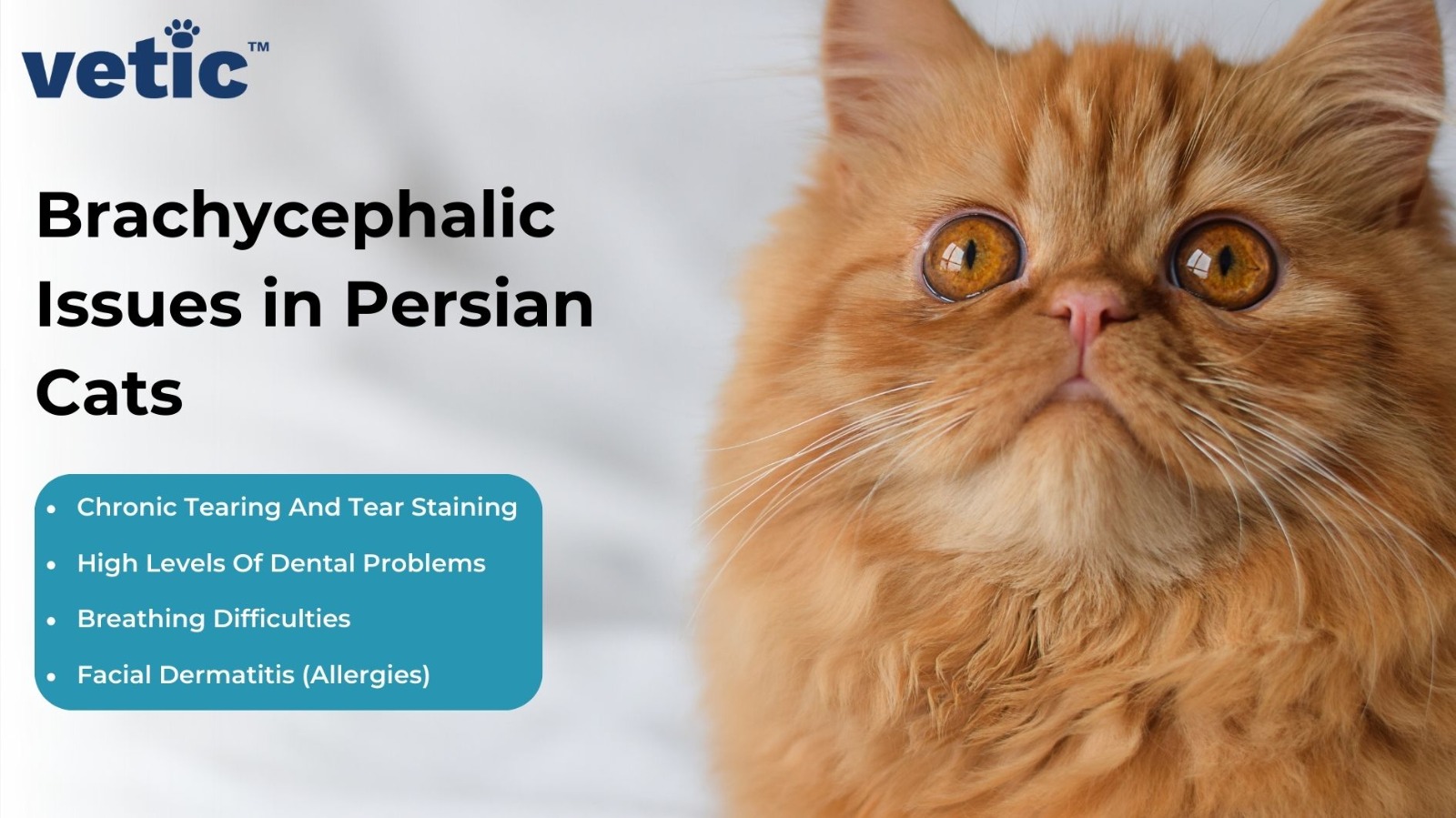
Persian cats, like all cats, require regular dental care. Brush their teeth gently at least twice a week using a cat-specific toothpaste. Regular veterinary dental checkups are recommended to identify and address potential dental problems.
Their long fur around their eyes requires careful attention. Gently wipe their eyes daily with a soft, damp cloth to remove any discharge. Consult your veterinarian if you notice excessive tearing, redness, or any other abnormalities.

Enrichment and Exercise for a Happy Persian
While Persians are known for their calm demeanor, they still need mental and physical stimulation. Provide plenty of toys to keep them entertained, including interactive toys that challenge their problem-solving skills. Vertical space, such as cat trees, allows them to climb and observe their surroundings. Playtime is essential for maintaining their physical health and strengthening your bond.
Litter Box Management
Maintaining a clean litter box is crucial for your Persian's hygiene and health. Use a large, easily accessible litter box, and scoop the litter daily. Change the entire litter completely at least once a week. Experiment with different litter types to find one your cat prefers. If your cat starts exhibiting inappropriate elimination habits, consult your veterinarian to rule out any underlying medical issues. Persian cats can be sensitive to litter box changes.

Summary of Persian Cat Care
Key Takeaways
- Daily brushing is essential to prevent matting.
- Regular bathing is necessary, but use a cat-specific shampoo.
- Feed a high-quality, balanced diet.
- Regular veterinary checkups are crucial for early detection of health problems.
- Provide mental and physical stimulation through playtime and interactive toys.
- Maintain a clean litter box.
Owning a Persian cat is a rewarding experience. By following these guidelines and providing consistent, loving care, you can ensure your feline companion enjoys a long, healthy, and happy life. Remember to always consult your veterinarian for any concerns regarding your cat's health and well-being. A proactive approach to care is the best way to ensure your Persian thrives.


Comments
Post a Comment